
DO YOUR
SCHOOL
SPACES
MAKE THE
GRADE?
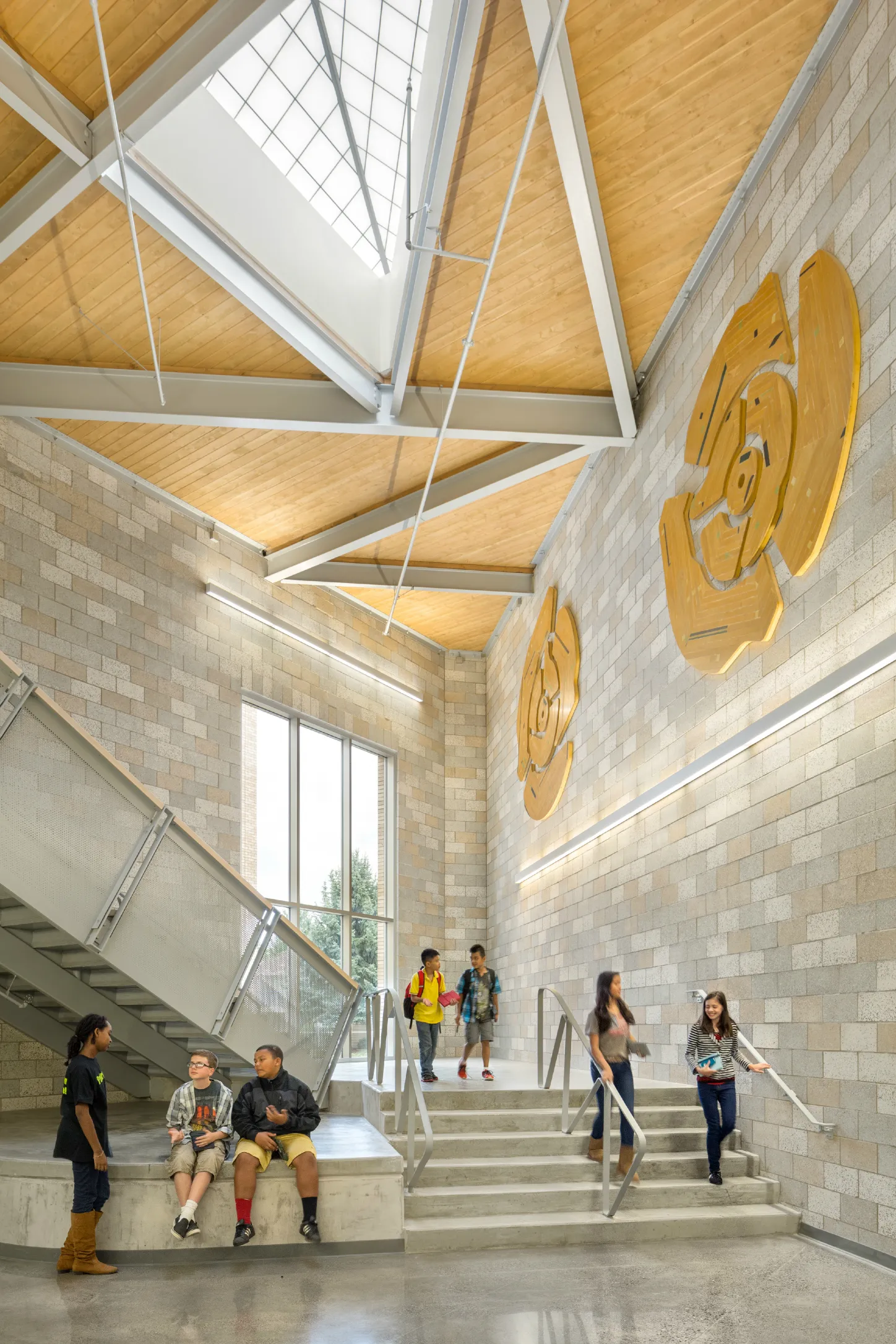
Architects and engineers often rely on established specifications and familiar building materials when designing schools – and for good reason. Proven approaches save time and effort. But when schools are expected to serve students for 50 years or longer, it’s worth rethinking those choices to make sure they deliver the performance that each school space needs.
Today, school districts face mounting maintenance costs, evolving security concerns and changing weather patterns that affect occupant comfort. They’re also under pressure to use locally sourced and more sustainable materials.
Materials that worked for one school – even one built recently – may not be the best fit for the next. By rethinking wall-system choices early in the design process, design teams can help make sure each school space has the durability, safety, comfort, aesthetics and acoustic performance it needs.
RE-EVALUATING
SCHOOL SPACE NEEDS
Different school spaces have different requirements, and those requirements can vary from one project to another and evolve over time. Concrete masonry units (CMU) offer a combination of durability and versatility to meet these requirements, but where do they deserve a closer look?
GYMNASIUMS
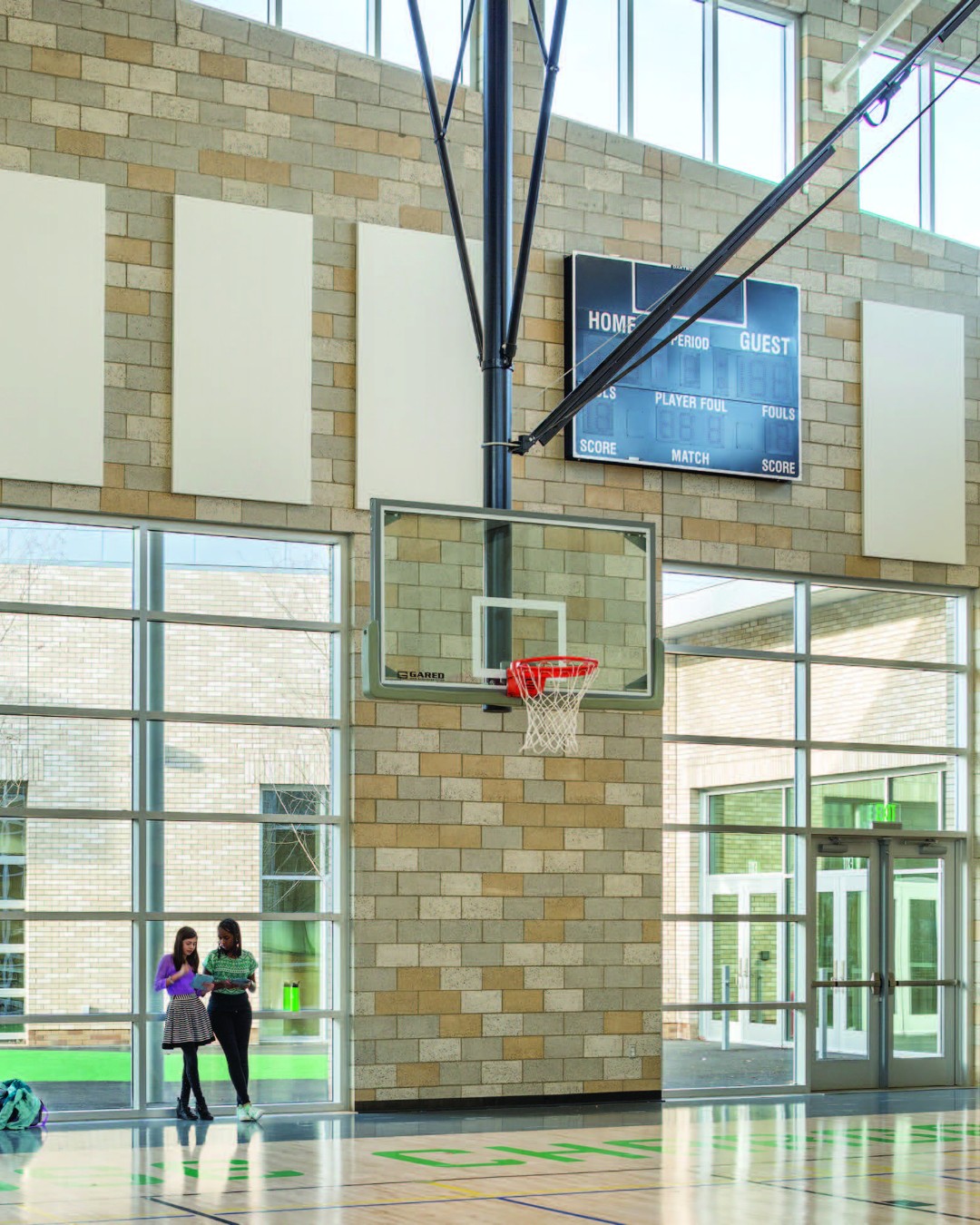
These spaces need to withstand decades of intense physical activity, from bouncing balls and crashing bodies to flying equipment. CMU is impact resistant by nature, making it well suited for these demanding environments. CMU also inherently dampens sound, helping keep the cacophony of gym activities contained.
The durability of CMU becomes doubly important when these spaces are used as community shelters. Reinforced concrete masonry can resist hurricanes and be used for storm shelters in areas where tornados are present.
HALLWAYS AND
STAIRWELLS
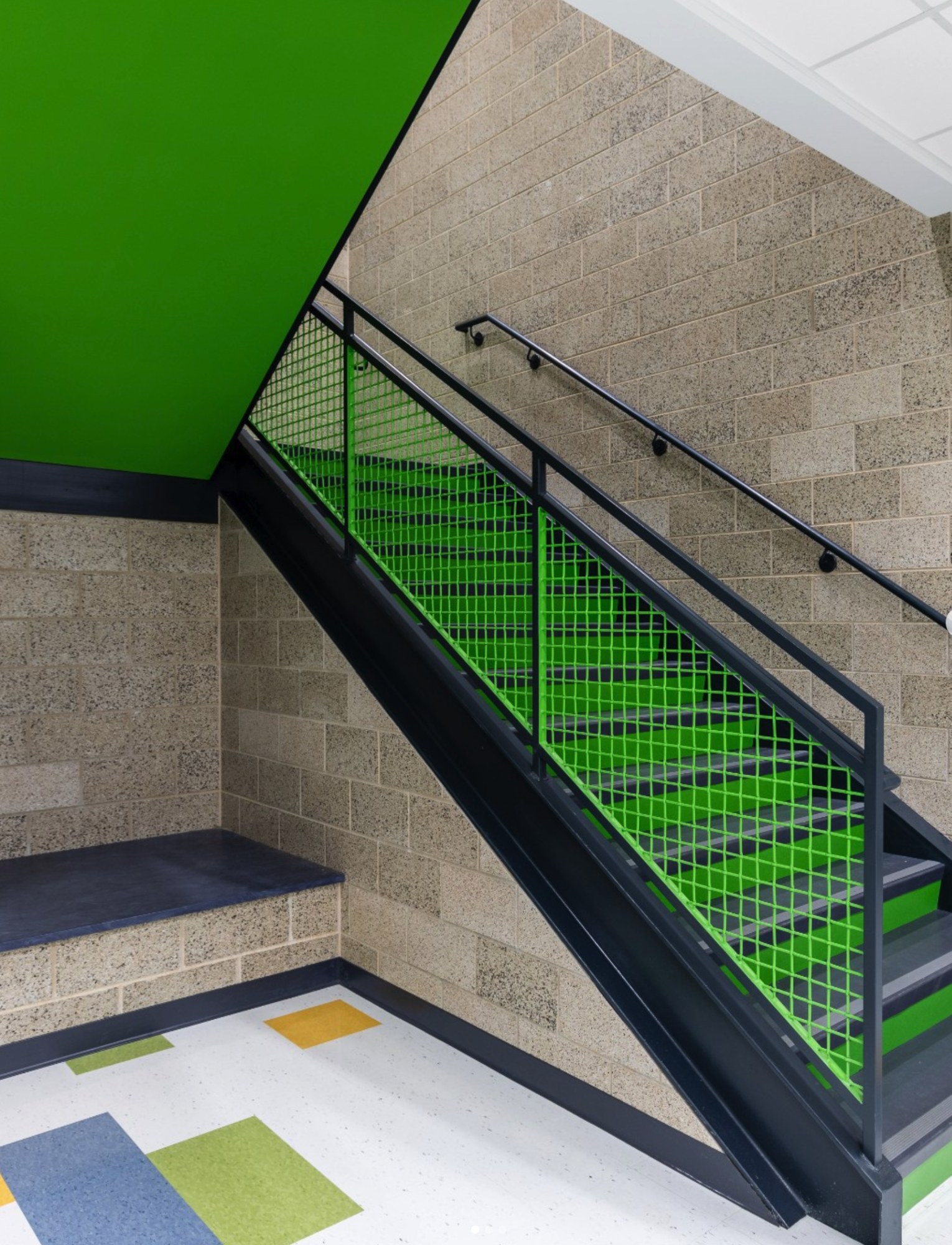
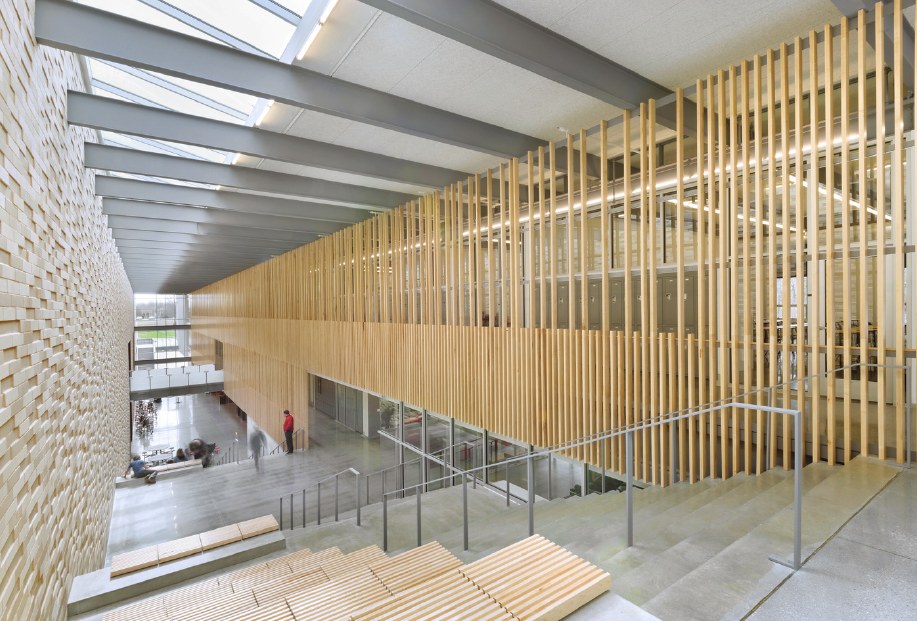
High-traffic corridors are put to the test every school day. Backpacks, carts and other objects can crash into and scrape against walls, potentially creating maintenance demands for these spaces over the decades.
When selecting materials for these spaces, CMU deserves consideration for its impact resistance and durability. Unlike framed assemblies, it doesn’t require separate protection or corner guards. And its sound-dampening features help keep corridor noises – from conversations and slamming lockers to mobile devices – from disrupting learning.
CMU also has an important role to play in fire safety. It is commonly used as a firewall to help contain a fire – such as in a lab – and protect other parts of a school. And used in a stairwell it can provide a protected means of escape in the event of a fire.
CLASSROOMS
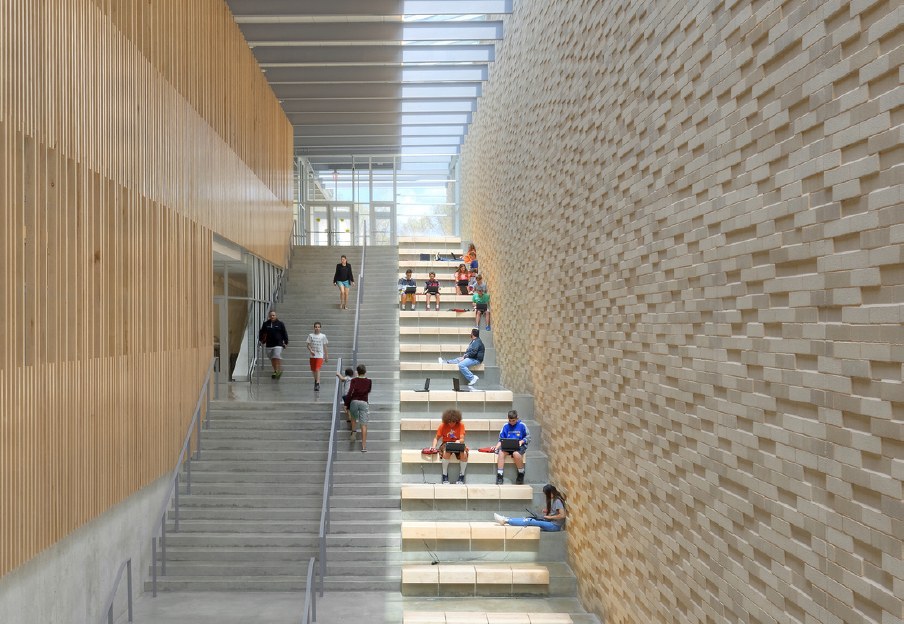
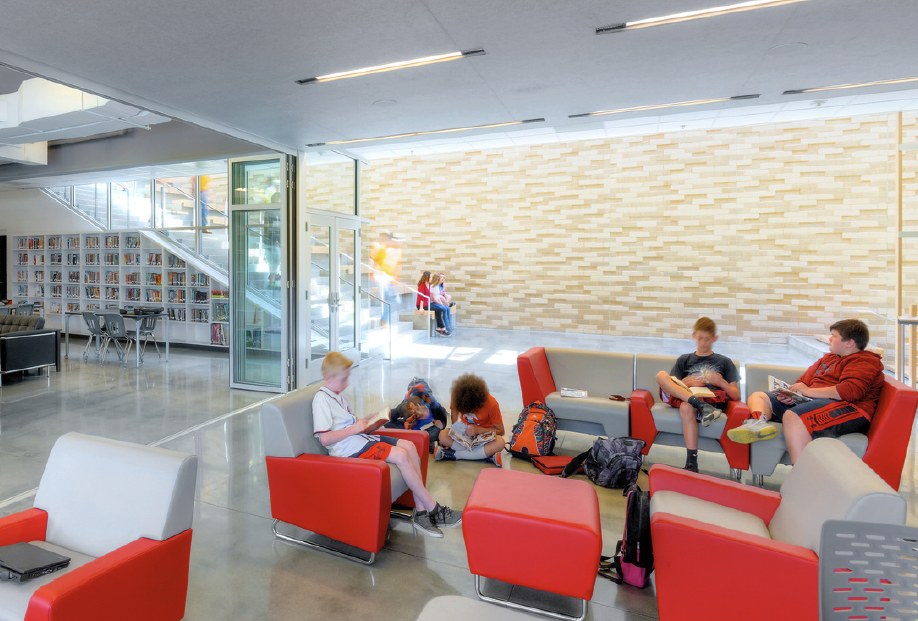
Students can concentrate and learn without distraction when these spaces are calm and comfortable.
When specifying partition walls, consider the acoustic performance needed to limit noise from adjacent corridors and classrooms. An 8-inch, grouted CMU can meet those requirements. And depending on its design and composition, that same wall can also achieve a four-hour fire resistance rating.
EXTERIOR SPACES
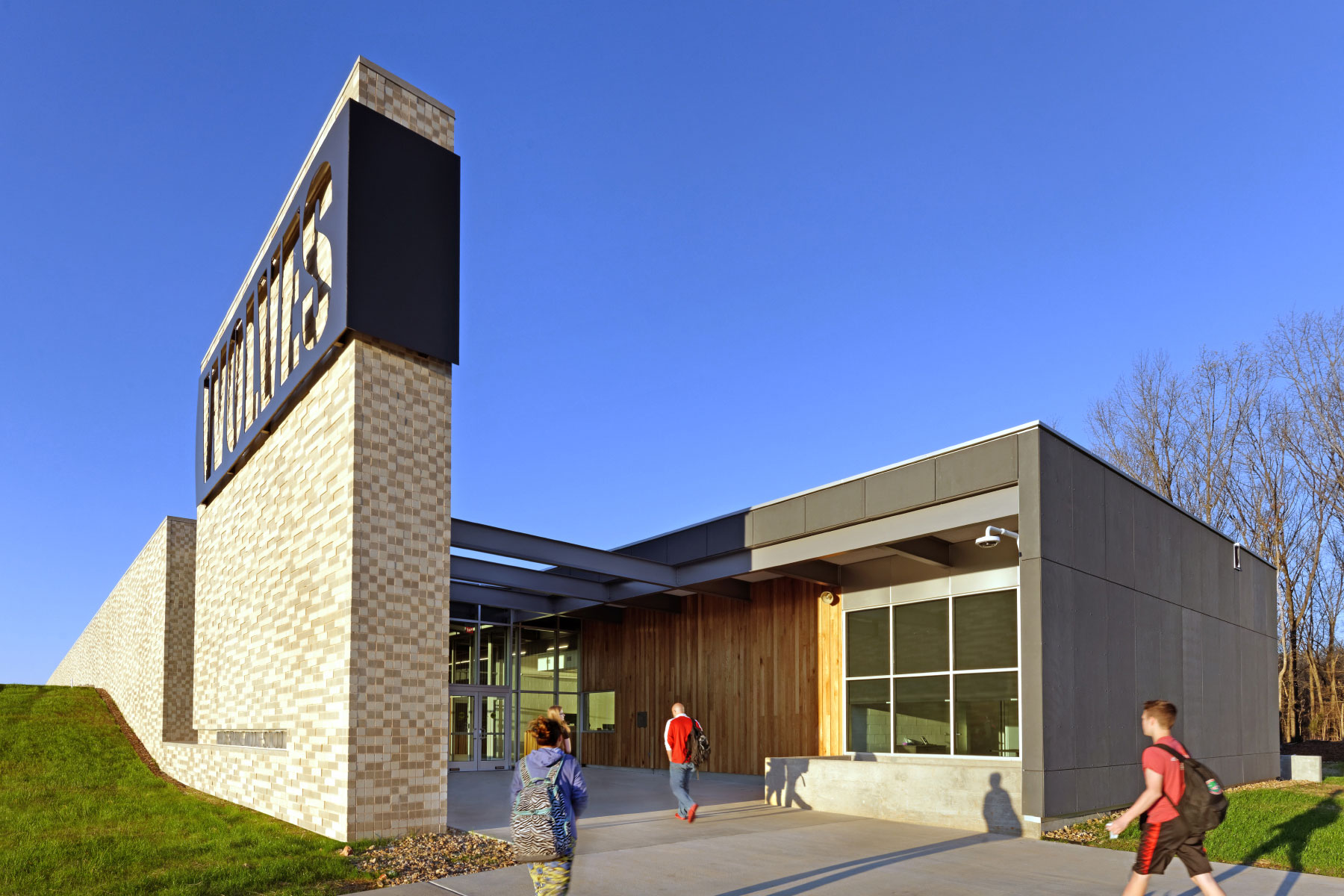
Exterior walls do more than protect school occupants from weather and other elements. They also help create a school’s identity. Entryways can provide security while creating a warm, welcoming environment. And exterior walls can serve as attractive backdrops for outdoor learning.
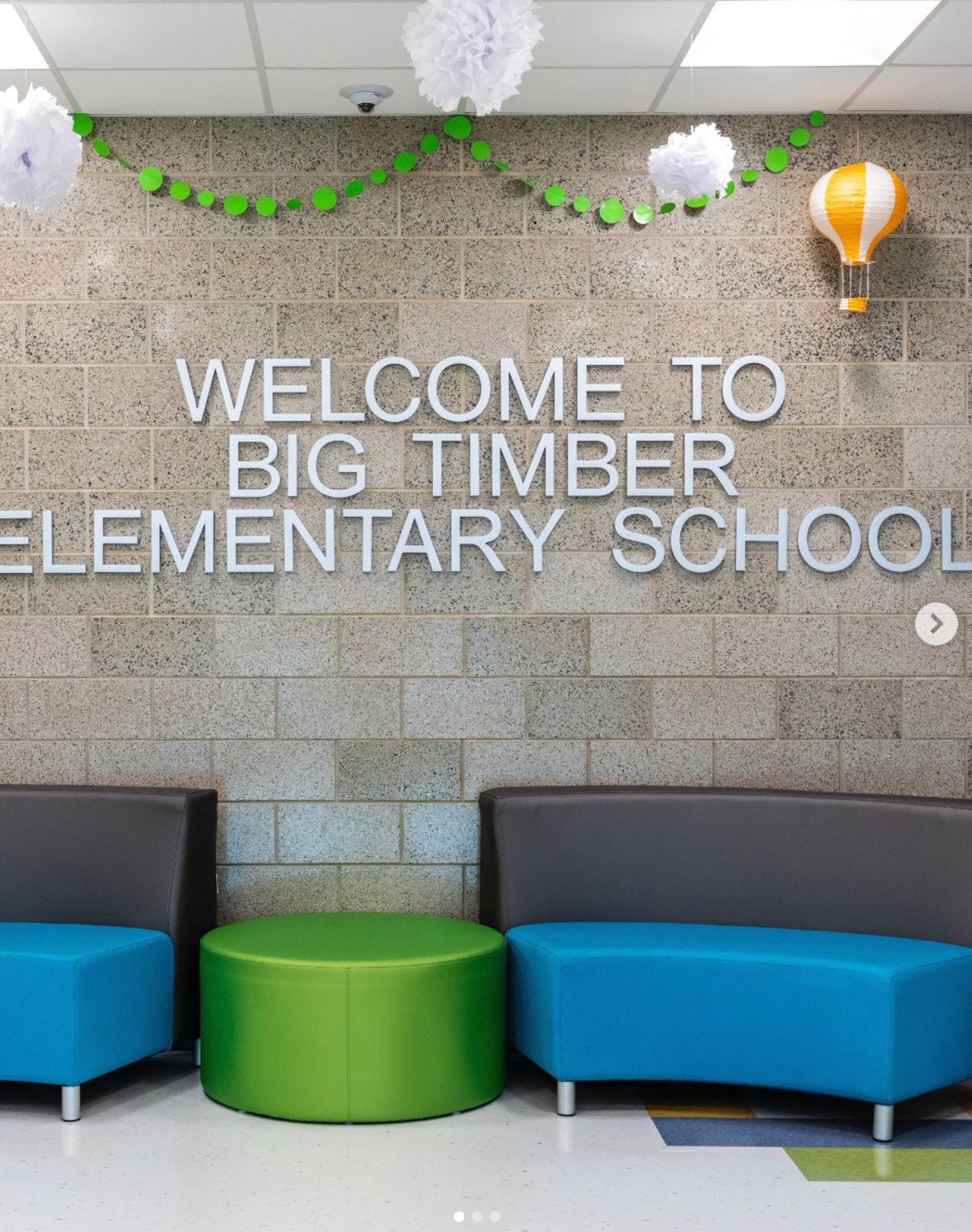
Modern architectural CMU is available in a wide range of colors, sizes, patterns and surface textures. These options give architects freedom distinctive school identities that reflect their community. And because CMU is typically made regionally, schools can incorporate locally sourced, sustainable materials that can also help reduce long-term energy costs.
SPECIFYING TO
EACH SPACE’S
REQUIREMENTS
A school is a long-term investment that serves generations of students. The materials specified for it today will shape how its spaces perform for decades to come.
Rather than defaulting to familiar choices, design teams should evaluate the unique demands of each space. Doing so can reveal opportunities where CMU’s durability, safety, performance and design versatility can deliver lasting value.
Have a school project in planning or design? Bring your wall-system questions to BDC’s no-cost design assistance team.
Project Support